In today’s manufacturing environment, where products are increasingly complex and supply chains span multiple partners, effective control of product data and engineering changes has become a decisive factor for operational efficiency. Product development is no longer confined to internal teams; it requires close coordination between design, manufacturing, suppliers, and partners throughout the entire lifecycle.
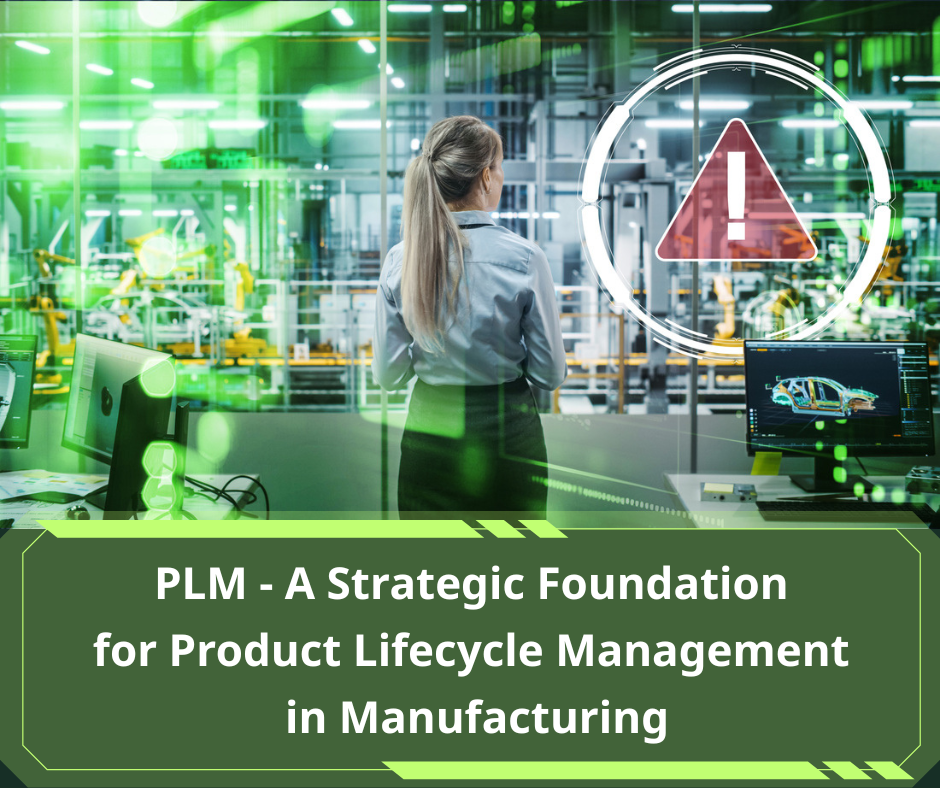
Product Lifecycle Management (PLM) serves as a strategic management platform that connects people, processes, and product data. More than a technical system, PLM enables enterprises to establish a single, reliable source of product information, ensuring consistency, transparency, and governance from design through production and beyond.
When product data, drawings, BOMs, and engineering changes are centrally managed through PLM, manufacturing performance improves significantly. Errors caused by outdated drawings, miscommunication between engineering and production, or uncontrolled design changes are substantially reduced. As a result, companies can minimize rework, production delays, and unnecessary operational costs.
PLM also enforces structured change management, ensuring that every engineering change is properly reviewed, approved, and communicated before execution. This leads to more stable production processes, lower defect rates, and better cost predictability, especially as production volumes scale up.
From a management perspective, PLM delivers measurable improvements across critical manufacturing KPIs. By ensuring that production always works with the latest approved data, lead time is shortened, while disruptions caused by late-stage design changes are minimized—contributing to higher Overall Equipment Effectiveness (OEE).
At the same time, clear version control and traceability help reduce scrap and rework, as incorrect or obsolete specifications are eliminated from the shop floor. Over time, PLM becomes a core enabler for sustainable productivity gains, cost optimization, and operational excellence in manufacturing enterprises.
When PLM is deployed in combination with Creo 12, the benefits extend beyond data management to design efficiency and innovation performance. Creo 12 enables faster and more flexible design through parametric modeling, simulation, and generative design, while PLM ensures that all design outputs are governed, traceable, and production-ready.
Together, PLM and Creo 12 create a seamless digital thread—from concept and design to manufacturing—supporting faster decision-making, improved collaboration with suppliers, and reduced risk during scale-up.
To help manufacturing leaders better understand how to leverage PLM and Creo 12 in practice, we invite you to attend our upcoming technical seminar:
Intelligent Machine Design with Creo & Windchill
Time: 08:30 – 12:00 | January 23, 2026
Place: Orchids Saigon, Ho Chi Minh City
The seminar will cover:
Register now to engage directly with PTC and NEAX technical experts and explore the right PLM strategy for your organization.
.png)